
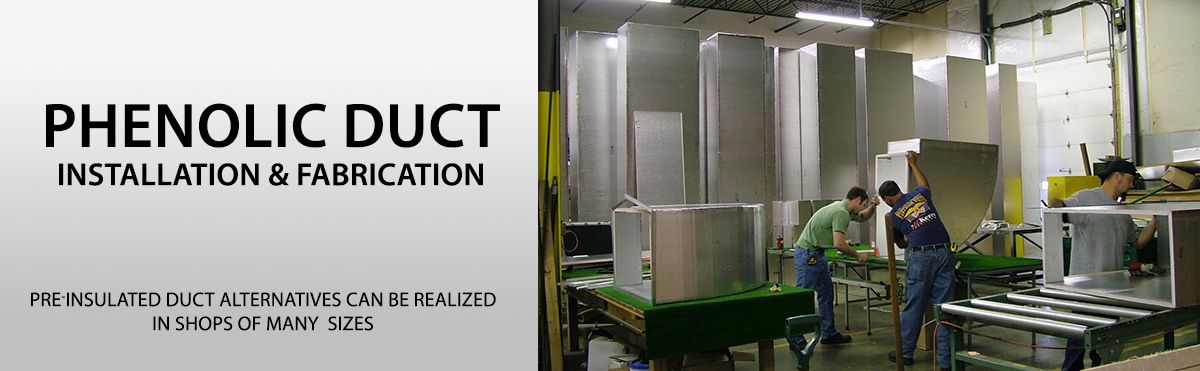
Now is the Time to Offer Your Customers Pre-Insulated Ductwork
Since phenolic duct systems entered the U.S. market in the early 2000s, commercial HVAC contractors have increasingly used them as a lightweight, non-fibrous alternative to conventionally insulated sheet metal. Pre-insulated phenolic ductwork combines the duct, insulation and interior air surface into one system, reducing fabrication steps, field-applied insulation and installation labor.
High R-values, low air leakage and significantly lower system weight make phenolic ductwork systems like Thermatuff® well suited for projects where energy performance, limited structural capacity or faster installation are priorities. The development of the SMACNA Phenolic Duct Construction Standards, along with improved estimating, design and fabrication tools, has made it easier for contractors to incorporate phenolic duct systems into established shop and field workflows.
Fast and Familiar - Installing Pre-Insulated Thermatuff® Ductwork
Thermatuff® phenolic ductwork combines the duct and insulation into one lightweight, ready-to-install system. Unflanged and four-bolt connections use familiar installation principles, while sections weighing far less than comparable insulated sheet metal are easier to lift, position and connect. The pre-insulated construction eliminates field wrapping and can reduce support requirements, helping crews keep installation moving efficiently.
Thermaduct® provides fabrication guidance, installer training and technical support through its factory-trained partners. Installation practices follow the SMACNA Phenolic Duct Construction Standards, giving contractors a clear, established approach to working with phenolic duct systems.
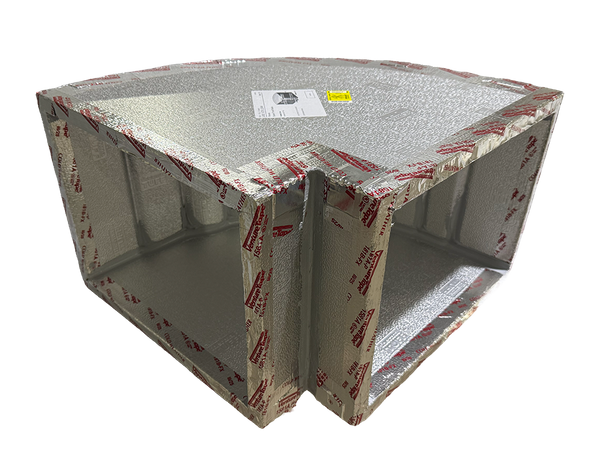
Fabrication of Non Metal Ductwork Phenolic Ductwork
Thermatuff® phenolic ductwork is fabricated from rigid, three-dimensional insulation panels rather than flat sheet metal. Panels are cut with CNC routing equipment or specialized bladed tools that form the grooves, bevels and profiles needed to fold or assemble straight duct sections and fittings. Once cut, the panels are shaped, sealed, reinforced and fitted with the specified connection system.
Phenolic ductwork can use unflanged joints or four-bolt flange connections similar to those already familiar to sheet metal installers. Reinforcement and joint construction are selected according to duct size, pressure class and the SMACNA Phenolic Duct Construction Standards.
The finished insulated duct system combines a lightweight phenolic core with a smooth aluminum interior air surface. This provides contractors with a practical option for fabricating low-leakage, non-fibrous insulated ductwork without exposed fibers in the airstream.
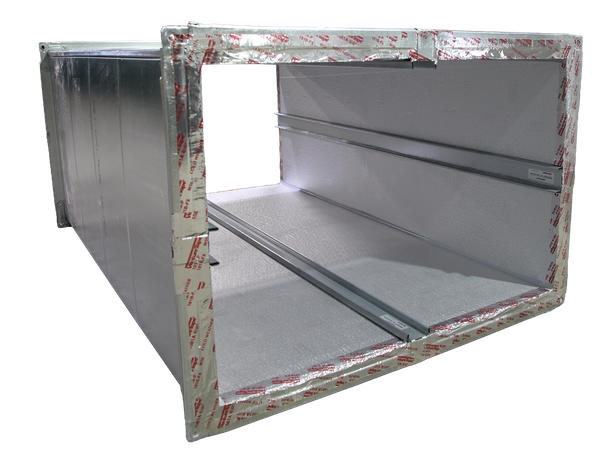
Fiber-Free, High R-Value Phenolic Duct Liner
Thermatuff® phenolic panels can be installed inside galvanized sheet metal ductwork to create a fiber-free, double-wall insulated duct system. Thermaduct®’s patented Tuff-Lock Retention Clips and Airtruss® method mechanically secures the liner without adhesives, eliminating glue application, cure time and exposed insulation fibers in the airstream.
The rigid phenolic liner is faced with smooth aluminum, providing a durable interior air surface while adding structural support within the duct assembly. Fabricators can install the system using familiar sheet metal methods and common shop tools, making it a practical alternative to conventional duct liner.
Available in R-6, R-8 and R-12 configurations, Thermatuff® phenolic duct liner provides high thermal performance in a thinner, lightweight profile.
The SMACNA Phenolic Duct Construction Standards Changed the Industry
When pre-insulated phenolic ductwork first entered the U.S. market, contractors and engineers frequently asked the same question: “What does SMACNA say?” Product testing and international experience helped establish credibility, but the industry still needed a recognized construction standard for fabrication and installation.
Published in 2015, the SMACNA Phenolic Duct Construction Standards provided that framework. The standard established clear guidance for panel construction, reinforcement, joints, supports, pressure classes and installation practices, giving contractors a consistent method for building phenolic duct systems and engineers a recognized basis for specifying them.
The publication of the standard was a major step forward for pre-insulated HVAC ductwork, helping phenolic systems move from a specialized product category into broader commercial use.
Phenolic Ductwork Estimating and Fabrication Software
Phenolic ductwork needed to be estimated, detailed and fabricated with the same efficiency as sheet metal. Benchmark Enterprise Software helped close that gap by adding a complete phenolic ductwork library within an AutoCAD-based environment. Estimators and detailers can develop 3D phenolic duct layouts, assign project costs and coordinate connections alongside conventional sheet metal systems. The same digital model can then support fabrication planning, panel nesting and machine output, reducing duplicate work between estimating, detailing and production.
By incorporating SMACNA phenolic construction methods into established HVAC workflows, contractors can estimate and fabricate pre-insulated phenolic ductwork with greater consistency and accuracy.
Automation of Fabrication is Important for Long Term Growth
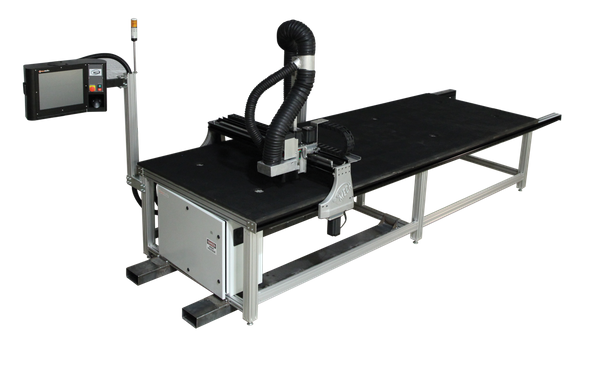
Sheet metal fabrication became faster and more consistent through plasma tables and automated coil lines. Phenolic ductwork has followed a similar path with CNC equipment designed to cut rigid panels, fittings and straight duct sections accurately and efficiently.
Manufacturers including GoMech, AXYZ and Pathfinder offer CNC machinery and specialized tooling for phenolic duct fabrication. Digital cutting and panel nesting reduce manual layout, improve material yield and create repeatable profiles for folding, assembly and connection systems.
By automating the cutting process, fabrication shops can increase production capacity, control labor costs and manufacture phenolic ductwork with greater consistency from one project to the next.
Supporting New HVAC Technology is Vital to the Future of Our Industry
Pre-insulated Phenolic Ductwork like Thermatuff® is changing the HVAC industry. It allows you to offer weight savings, space-saving and LEED Point eligible high performance system to your customers that can add value to their project, both now and with future energy bills. There’s never been a better time for you to get involved with your next project!
Contact us to learn more!